2LT JAMES E. SOULEN
USMC 1ST TANK BN
SILVER STAR WWII
USMC 1ST TANK BN
SILVER STAR WWII
Section: 13
Row: 8
Service Branch, Rank
Marine Corps
2nd LT
Theater(s) / Campaign(s) / Operations(s)
Pacific Theater/Okinawa WWII
Period of Service
unavailable
Biography
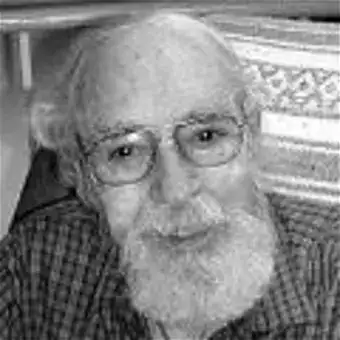
Jim Soulen was born in Minneapolis, Minnesota on December 9, 1921, and grew up on the shores of Shady Oak Lake in Hopkins, a place he would call home for the rest of his life. He graduated from Hopkins High School and went on to Saint Olaf College, where he met Patricia Anderson of Cottonwood, MN. When the United States entered World War II, Jim set aside his education and his courtship and volunteered for the United States Marine Corps.
By the spring of 1945, the Battle of Okinawa was the largest amphibious assault in the Pacific War. The 1st Marine Division, the legendary "Old Breed," veterans of Guadalcanal, Peleliu, and Cape Gloucester, was fighting through some of the most brutal, entrenched defensive terrain of the entire conflict. Japanese forces had fortified the island's ridges and valleys with interlocking fields of artillery, antitank guns, mortars, and small arms.
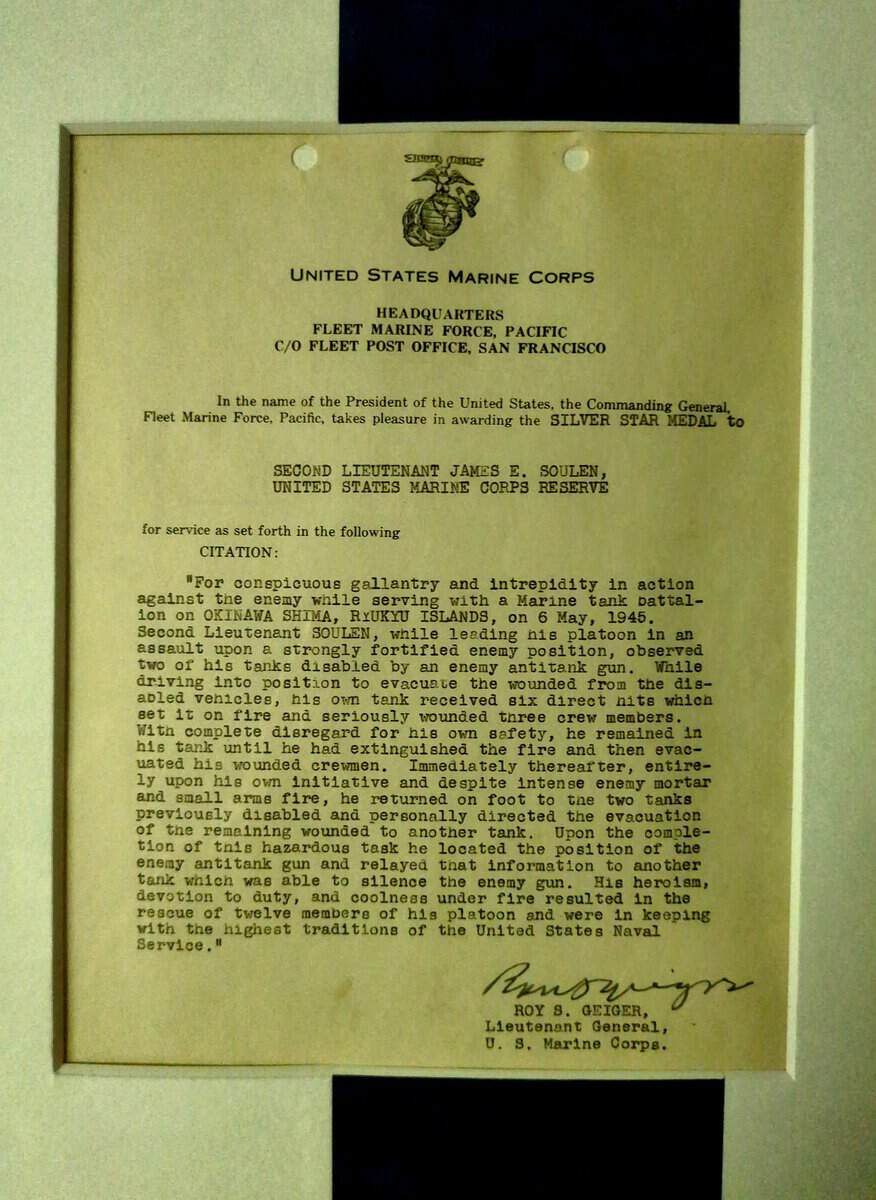
On May 6, 1945, Second Lieutenant James E. Soulen was leading his tank platoon in an assault on a strongly fortified enemy position when an enemy antitank gun disabled two of his tanks. While maneuvering his own tank forward to evacuate the wounded from the disabled vehicles, his tank took six direct hits, catching fire and seriously wounding three of his crew members.
What Jim Soulen did next is recorded in his Silver Star citation, signed by Lieutenant General Roy S. Geiger, Commanding General, Fleet Marine Force, Pacific:
"With complete disregard for his own safety, he remained in his tank until he had extinguished the fire and then evacuated his wounded crewmen. Immediately thereafter, entirely upon his own initiative and despite intense enemy mortar and small arms fire, he returned on foot to the two tanks previously disabled and personally directed the evacuation of the remaining wounded to another tank. Upon the completion of this hazardous task he located the position of the enemy antitank gun and relayed that information to another tank which was able to silence the enemy gun. His heroism, devotion to duty, and coolness under fire resulted in the rescue of twelve members of his platoon and were in keeping with the highest traditions of the United States Naval Service." He was 23 years old.
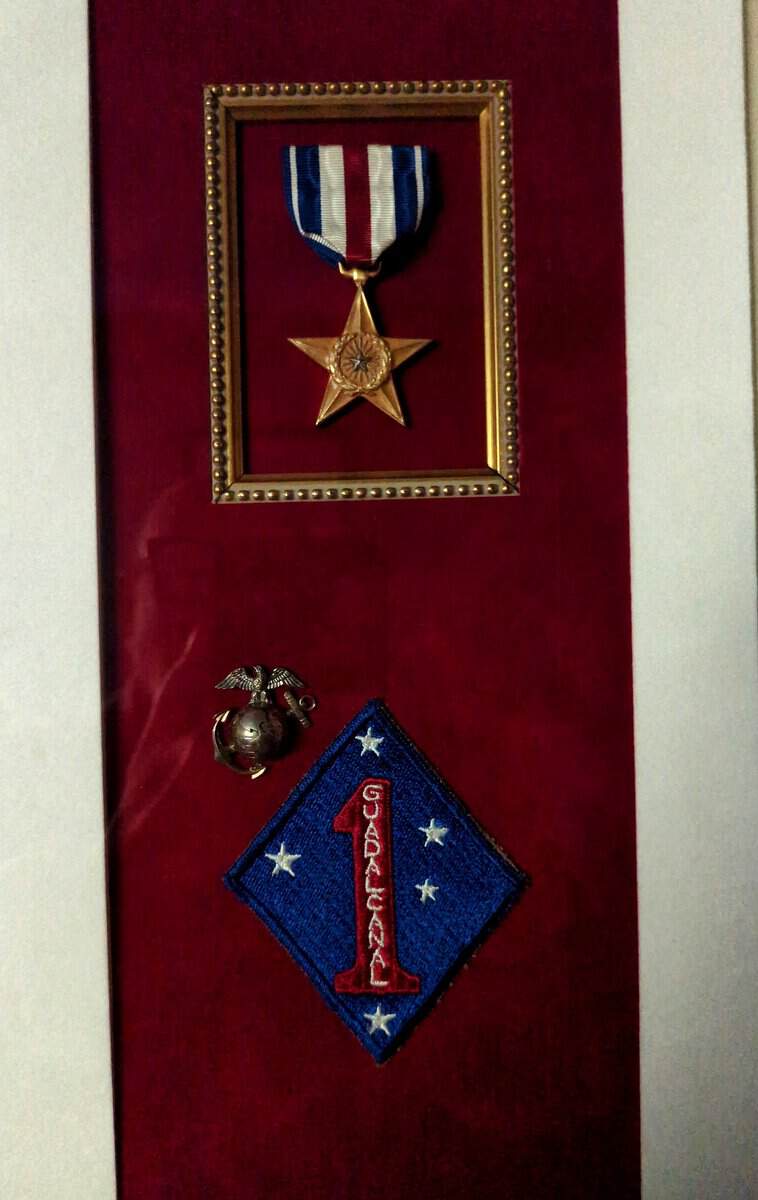
The Silver Star is the United States military's third-highest combat decoration, awarded for gallantry in action against an enemy of the United States. Jim's medal was awarded in the name of the President of the United States by the Commanding General of Fleet Marine Force, Pacific. Alongside the Silver Star, Jim wore the 1st Marine Division patch, the blue diamond bearing the word Guadalcanal, a mark worn only by those who served with one of the most decorated divisions in Marine Corps history.
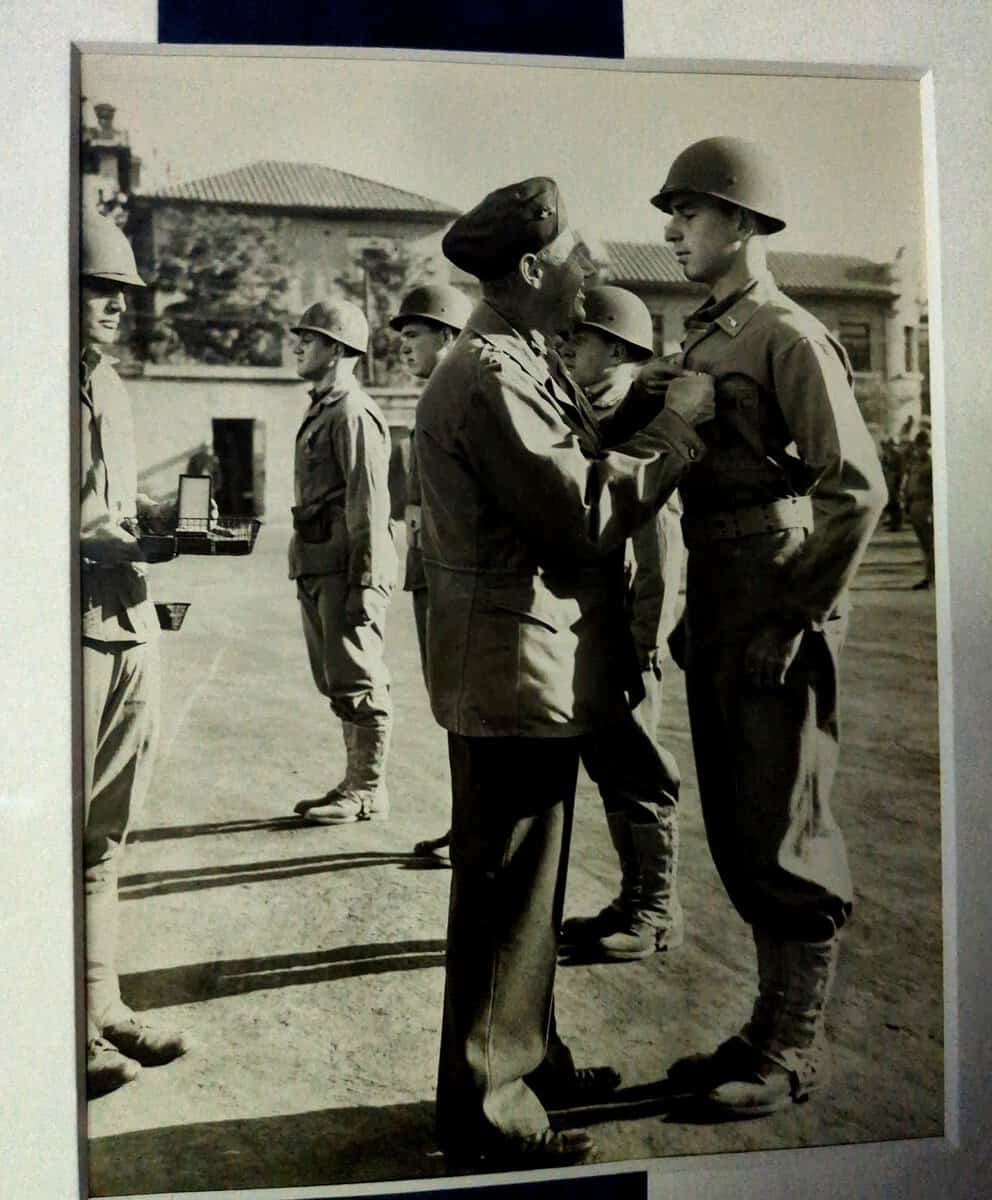
The photograph of Jim's medal ceremony captures the moment the Silver Star was pinned to his uniform, a young man standing at attention.
Jim returned to Saint Olaf College after the war, finished his degree, and was reunited with Patricia Anderson. They married in 1946 and raised four children together: Mary, Garrett, Ann, and Peter. He worked for Western National Mutual Insurance Company for 35 years, retiring in 1984.
In retirement, Jim and Pat spent their days at their beloved North Shore cabin in Little Marais, Minnesota. He was an environmentalist and conservationist, a voracious reader, and a man of endless curiosity about the world. He made, by all accounts, the greatest smoked Lake Trout you ever tasted.
In his final years, battling congestive heart failure, Jim never complained. He spent his energy reaching out to family and friends, telling them he was "OK." His ready smile, the twinkle in his eyes, and his sunny, courageous outlook were with him to the end. He was laid to rest in April 2005.
Medals / Awards / Recognitions
Silver Star
Additional Photos